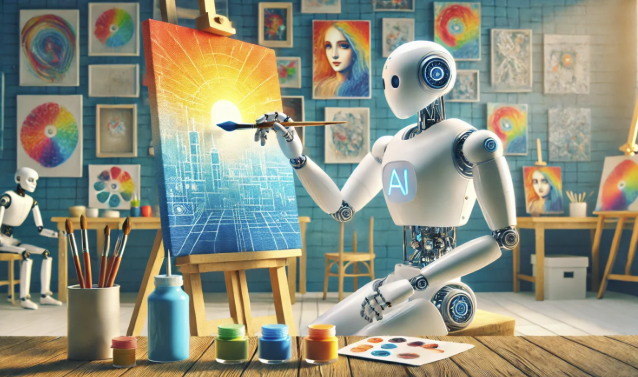

AI creativity reframes authorship as a joint process between human intent and machine capability. Machines translate vast data into new forms through training, feedback, and abstract representation. The result is an artifact that reflects both curated inputs and emergent patterns. Questions of attribution, ownership, and accountability become central. The ethical and cultural stakes are unsettled, inviting careful scrutiny of provenance and responsibility. This tension promises further clarification, as audiences and creators navigate evolving notions of autonomy and collaboration.
What AI Creativity Really Means for Artists and Audiences
AI creativity reframes the relationship between authorship, agency, and perception by challenging traditional boundaries between human authors and machine-produced outputs.
The discussion treats AI collaboration as a structured, evaluative process influencing intent, interpretation, and reception.
It probes authorship ethics, examines original autonomy within algorithmic authorship, and considers machine intuition as a catalyst for new agency, not replacement.
How Machines Learn to Create: From Data to Original Work
How do machines move from vast data to singular acts of creation? They translate input into abstractions through models trained on curated corpora, tests, and feedback loops, yielding original work while revealing patterns that guide interpretation.
Data ethics shapes responsibility; algorithmic bias demands scrutiny. Collaboration ownership and provenance rights frame authorship, ensuring transparent lineage and contested innovation without conflating automation with spontaneity.
Collaboration, Authorship, and Ownership in AI Art
The collaboration, authorship, and ownership dimensions of AI-generated art center on how creative labor is distributed, credited, and protected across human–machine partnerships. An analytic view highlights collaboration dynamics as negotiated processes shaping inputs, participation, and recognition.
Ownership models vary, yet convergence emerges around transparent provenance, license clarity, and durable attribution, ensuring freedom to experiment while safeguarding creators and their evolving roles in hybrid authorship.
Ethics, Culture, and the Future of Creative Expression With AI
As collaborations among humans and machines become more pervasive in creative practice, questions of ethics, culture, and the trajectory of expression come to the fore.
The analysis examines ethics of inspiration and cultural impact, distinguishing human intention from algorithmic generation. It contends that accountability, transparency, and diverse representation shape legitimacy, while inviting ongoing dialogue about autonomy, craft, and the evolving meaning of art in society.
See also: spainjournal
Frequently Asked Questions
How Do Audiences Emotionally React to Machine-Generated Art?
Audience perception varies; audiences exhibit mixed emotional resonance, balancing novelty versus meaning. The response tends toward curiosity and wonder for some, while others experience detachment, requiring robust context to interpret machine-generated art within established cultural frameworks.
Can AI Art Be Considered True Creativity or Imitation?
AI art reflects imitation rather than intrinsic consciousness; true creativity remains debated, contingent on algorithmic authorship, creative autonomy, and evolving AI ethics, while audience perception shapes legitimacy and meaning within contemporary cultural discourse.
What Safeguards Protect Artists From Algorithmic Plagiarism?
Satire aside, safeguards exist: robust copyright clauses and licensing standards curtail misuse, enforce attribution, and deter algorithmic plagiarism, guiding artists toward fair compensation, transparent data sourcing, and accountable tooling within a framework that respects creative freedom.
Will AI Reduce or Increase Opportunities for Emerging Artists?
AI economies may both expand and threaten opportunities for emerging artists; creative licensing, AI ethics, and mentorship dynamics shape access, while market saturation tests artist resilience and encourages adaptive strategies for sustaining independent practice.
How Will AI Influence Art Education and Skill Development?
AI assisted pedagogy reshapes art education: it democratizes access while sharpening critical stance; algorithmic critique refines technique, machine collaboration expands toolsets, and creative workflows demand ethical discernment. Irony lies in efficiency advancing genuine freedom of expression.
Conclusion
In sum, AI creativity reframes authorship as collaborative craft, not solitary spark. Machines translate data into meaning, humans curate interpretation, audiences participate in reception. Collaboration defines process, authorship reframes responsibility, ownership becomes shared. Ethics govern provenance, transparency anchors trust, accountability guides practice. Cultural impact emerges from hybrid inputs, diversified signals, evolving norms. Future expression rests on clear attribution and continuous reflection, on rigorous evaluation and open dialogue. In this convergent arena, autonomy evolves through disciplined cooperation, and art persists as collective meaning-making.


 By
By