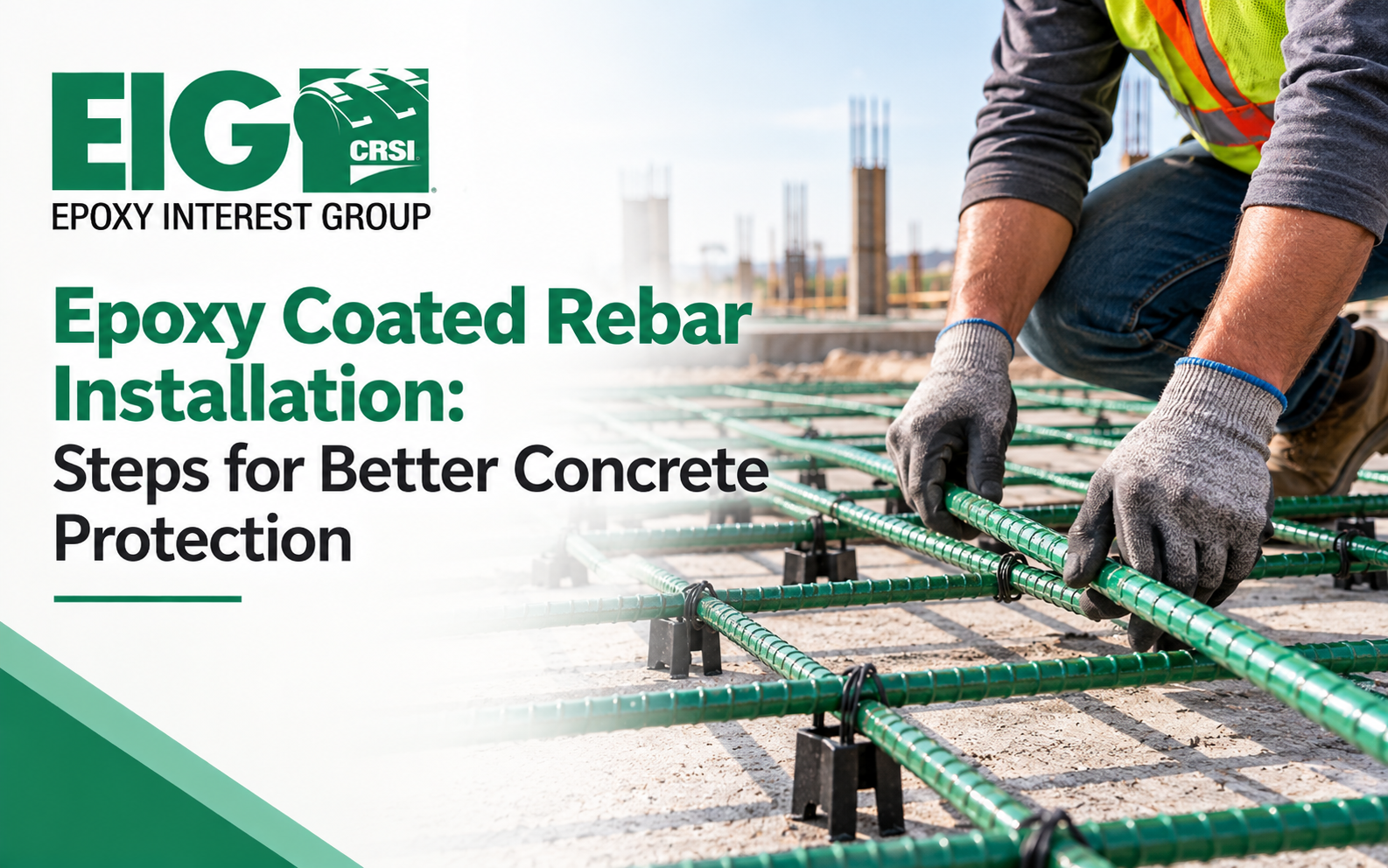

Concrete is able to bear loads because of steel reinforcement, but corrosion causes its gradual failure. Moisture, salt, and time can all get to that steel and cause it to rust. Epoxy coated rebar applies a covering that may minimize this chance. It does need to be maintained through storage, handling, and installation without damage from any of these factors.
Finally, following the right process may protect that steel and enhance the performance of your concrete for a long time to come.
Step 1: You Start by Inspecting the Rebar Before You Begin Work
When the bars come to site, check them. We see scratches, chips, peeling and other damage to the coating. Placing procedures with proper bar sizes and grades, as per the plans for execution.
Look at racks, bars on there, not the floor. When moving, use padded slings or any other approved handling equipment.
See also: How a College Paper Writing Service Helps International Students Succeed
Step 2: Cut and Bend with Extra Caution
When company workers are using tools, which should work with the epoxy layer but actually they do not perform quite as effectively, this can reduce the quality and a layer damage is possible. Any changes to the bars must follow the manufacturer’s instructions and the project specifications.
If the coating is damaged, treat it with a development material registered measure of maintenance and repair. The repair method should conform with the required standards and project rules.
Step 3: Place and Straps the Bars Properly
When you learn how to install epoxy coated rebar correctly, placement is as important as the protection of coatings.
Bar spacing, lap lengths, concrete cover, and position of reinforcement should be as per approved drawings. Use appropriate-spec supports, chairs, and ties where specified. Do not drag bars across rough surfaces nor drop them into place.
Check the reinforcement layout before pouring concrete. Make sure to secure the bars and that any coating damage has been repaired.
Step 4: Inspect the Work Before Pouring
This final inspection will allow you to see any problems before it is too late to fix them. Ensure the bars are in accordance with the design and check that the cover and spacing requirements are followed up where needed.
Inspect damage zones and clean-up potential debris from placement. If there are still defects follow the engineer’s instructions and standards that apply.
Stay Guarded All the Way − From Start Till the End
While epoxy coated rebar is beneficial for challenging concrete applications, proper usage, and installation are critical to prevention. To protect the coating, handle carefully, place it right-side up, and inspect thoroughly.
The reinforcement shall be placed in accordance with project specifications, applicable standards, and the manufacturer’s directions on how to safely locate and install.


 By